ISRS Seminar
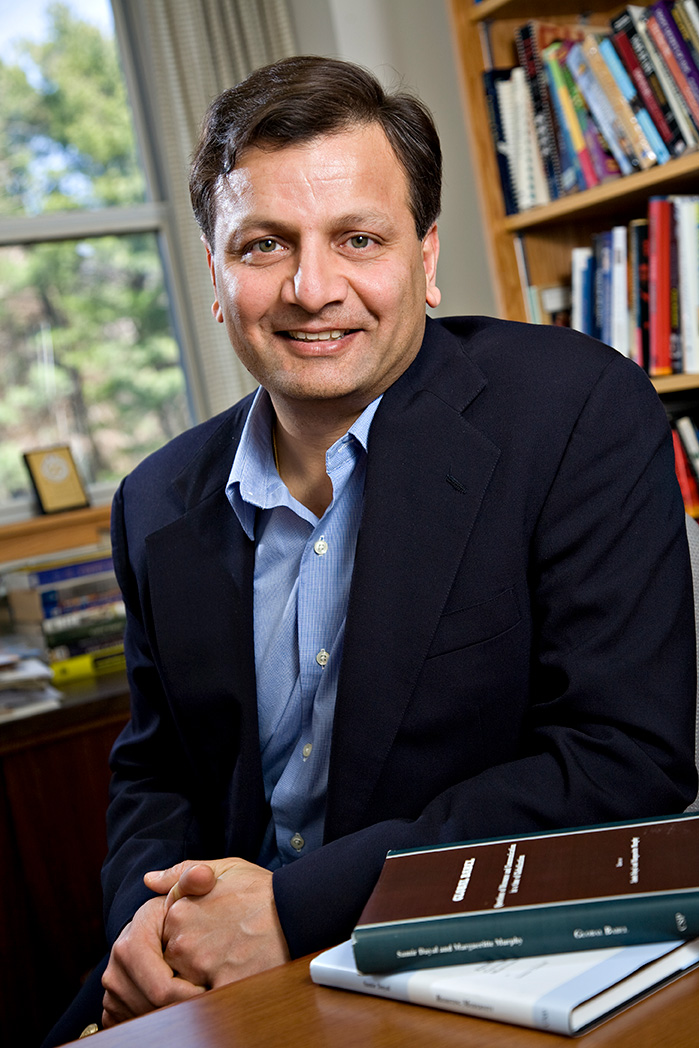
We are pleased to invite you to the next ISRS Seminar entitled “Beyond Self-Help Solitude to Withdrawal as Island Consciousness: Choosing Loneliness as Collectivist Resistance”. Our guest will be Professor Samir Dayal from Bentley University in the US.
Professor Samir Dayal currently works at the Department of English and Media Studies, Bentley University. Samir does research in World Literatures, Literary Theory and English Literature. He is a board member for the Society for the Psychological Study of the Arts (PSYART) and is very widely published on a range of themes.
The seminar will take place on Friday 7th November 2025 at 3 pm of UK time / 10.00 US EST time /4pm Polish time / 4pm Malta / 5pm Israeli time / 5pm Turkish time / 10 pm Hong Kong / 0.00 am Melbourne.
It will be held in MS Teams application. If you want to join, click here.
ABSTRACT:
This seminar talk, drawn from my ongoing book project Choosing Loneliness: Literary Representations of Withdrawal, Disaffection, and Elective Alienation, examines the critical distinction between individualistic withdrawal as self-care and collective refusal as political resistance. In our post-COVID moment, withdrawal narratives have proliferated—from Mark Manson’s The Subtle Art of Not Giving a F*ck to mindfulness retreats—often devolving into privileged self-help that abandons communal responsibility. Against this backdrop, I explore how certain forms of chosen isolation function as sophisticated political critique rather than elite retreat. I contrast the burgeoning culture of self-optimisation represented in Manson’s work as well as in the somewhat more subtle version presented in Jenny Odell’s How to Do Nothing, which offers valuable insights into resisting capitalism’s attention economy but risks remaining within privileged spheres of cultural capital. I contrast this therapeutic trend with the approach that emerges in Richard Powers’ Playground (2024). One narrative axis in the novel presents collective refusal as aligned with the imperatives of environmental and social justice. Powers’ novel centers on Makatea, an island community in the Tuamotu Archipelago that collectively refuses AI-mediated seasteading by a neocolonial multinational corporation. This communal decision—which however is not an easy choice–embodies what I term “island consciousness”: strategic withdrawal that resists digital neocolonialism while preserving Indigenous sovereignty and environmental stewardship.
Unlike Manson’s selective indifference or Odell’s individual practices of attention, island consciousness operates through collective deliberation and shared responsibility, maintaining engagement with global systems while refusing extractive intimacies. Building on earlier chapters analyzing a wide range of more individually chosen loneliness—a choice often ambivalent, reluctant, anxious, or even forced, from Sophocles’ Antigone to Herman Melville’s “Bartleby the Scrivener,” to Nobel laureate Han Kang’s The Vegetarian, among many others–this talk explores what happens when self-alienation operates at the community level. Through close reading and cultural analysis, I argue that not all withdrawal is equal: while self-help isolation represents privileged disengagement, collective refusal can mobilize radical resistance to systems of extraction and domination, serving rather than abandoning the commons.