Rafał Iwański
Posts by Rafał Iwański:
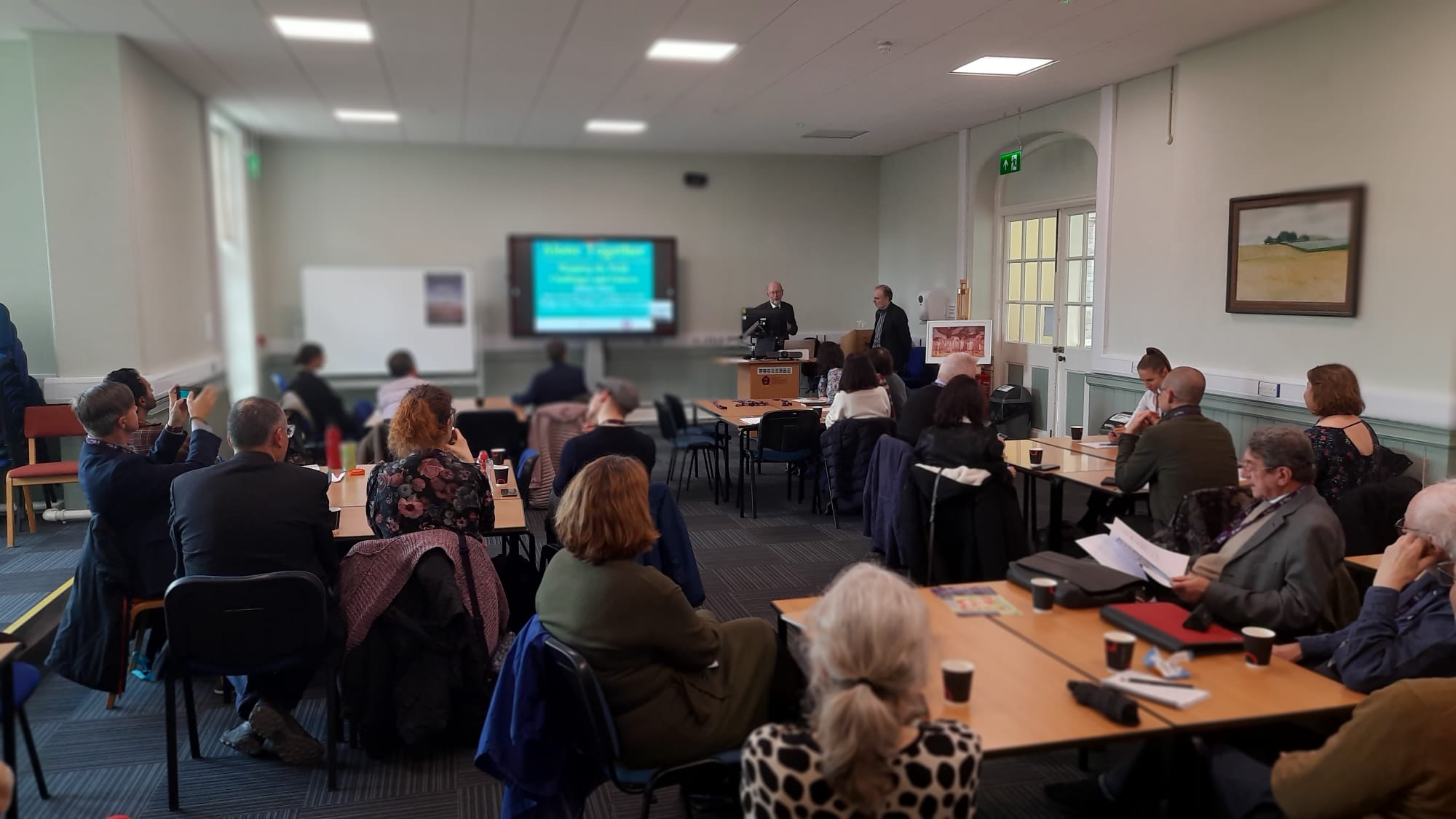
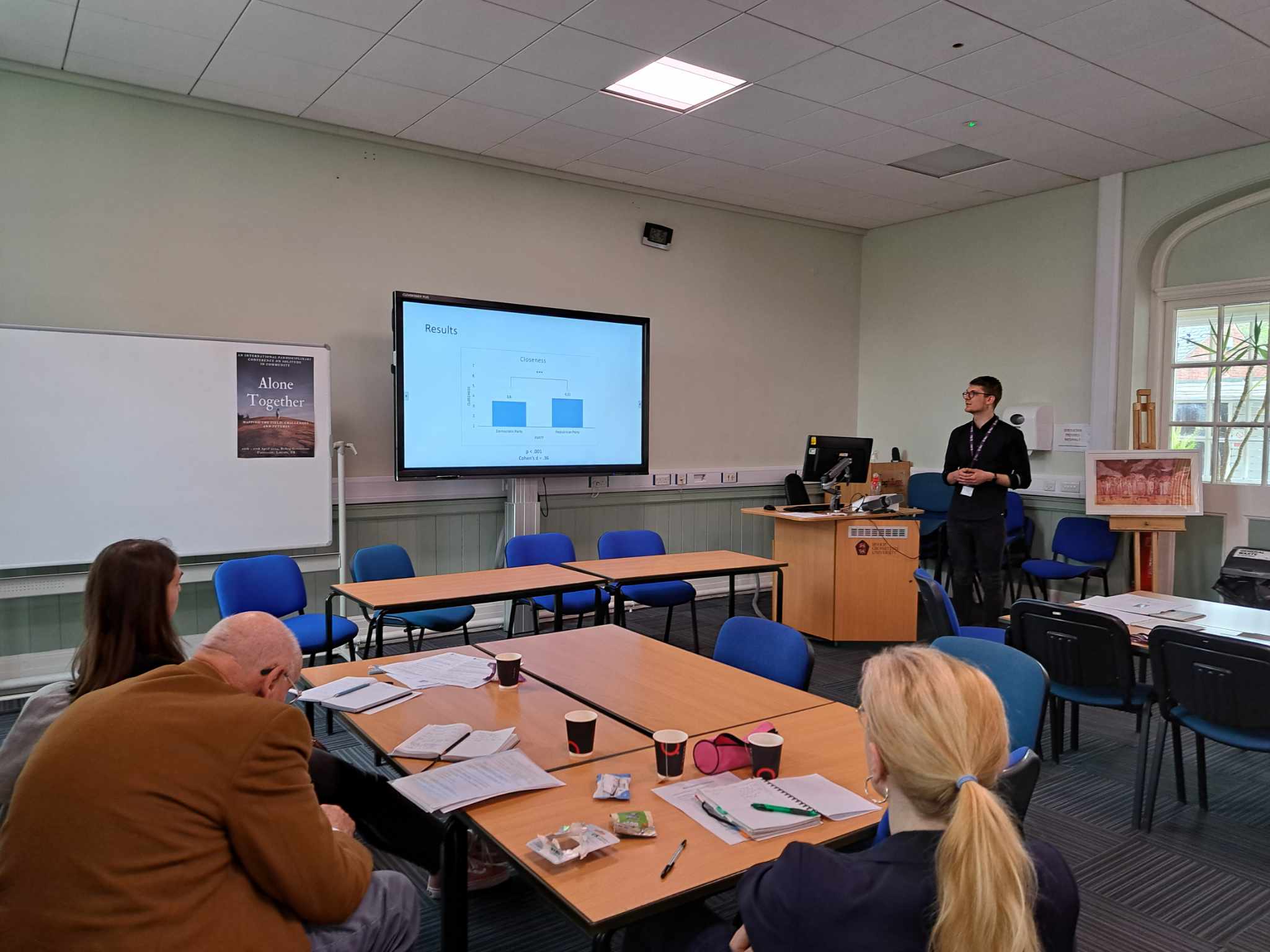
Alone Together 4: Programme – Mapping the Field: Challenges and Futures
Thursday 25th April 2024
2.30-3.30 pm Meeting with Alison Baker, Bloomsbury Publishing: demystifying book publishing, for early career researchers (Room 13)
4.00 pm Opening of the conference: Julian Stern, the President of the ISRS (Room 13)
Welcome by: Professor Karen Stanton, Vice-Chancellor of the Bishop Grosseteste University and by Professor Waldemar Tarczyński, Rector of the University of Szczecin Chair: Julian Stern
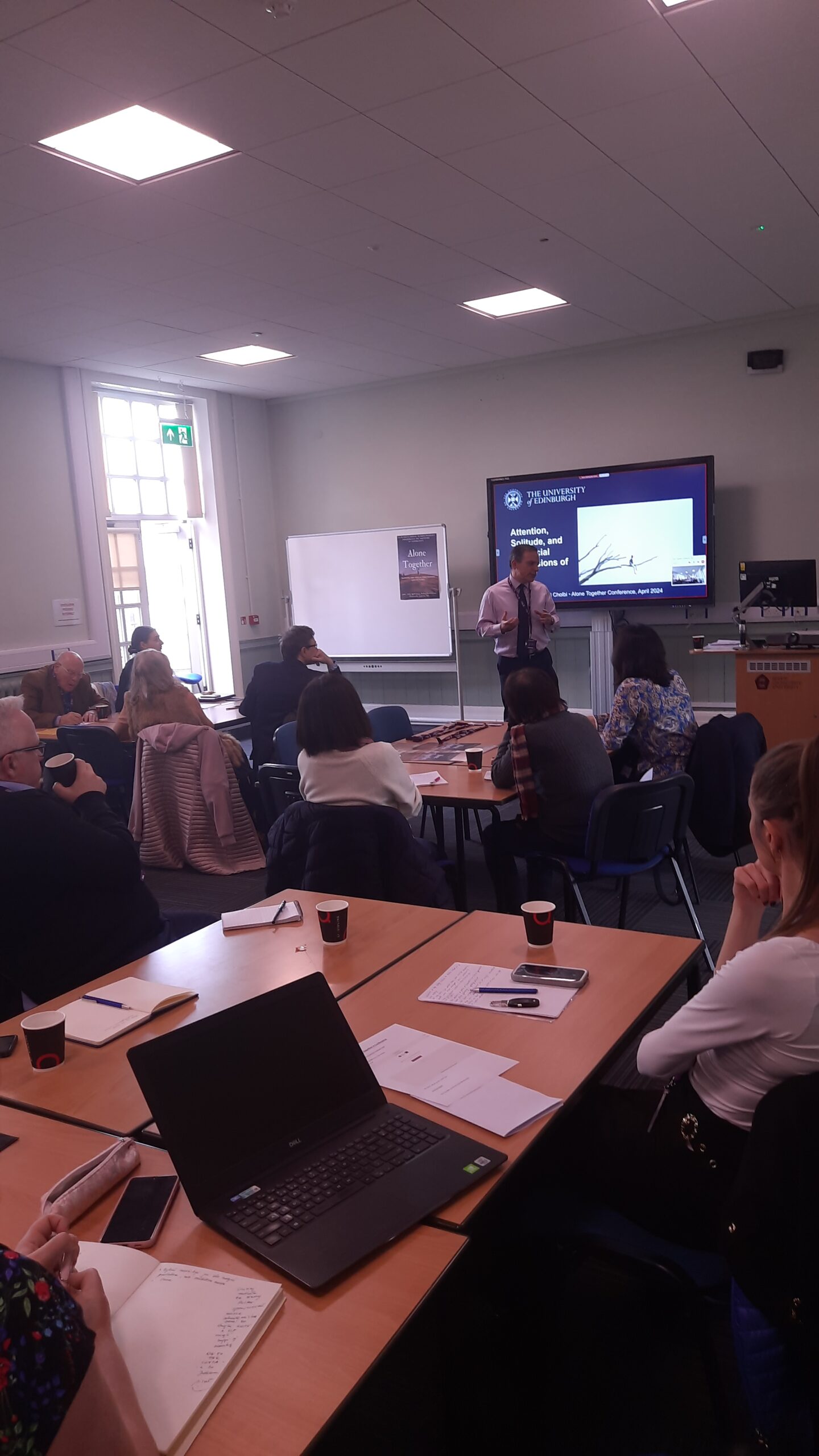
4.30-5.30 pm Keynote session by Michael Cholbi, Professor and Personal Chair in Philosophy at the University of Edinburgh, Scotland: Attention, Solitude, and the Social Dimensions of Grief (40 minutes plus 20 minutes discussion) (Room 13) Chair: Julian Stern
6.00 pm Gala Dinner (Refectory)
Friday 26th April 2024
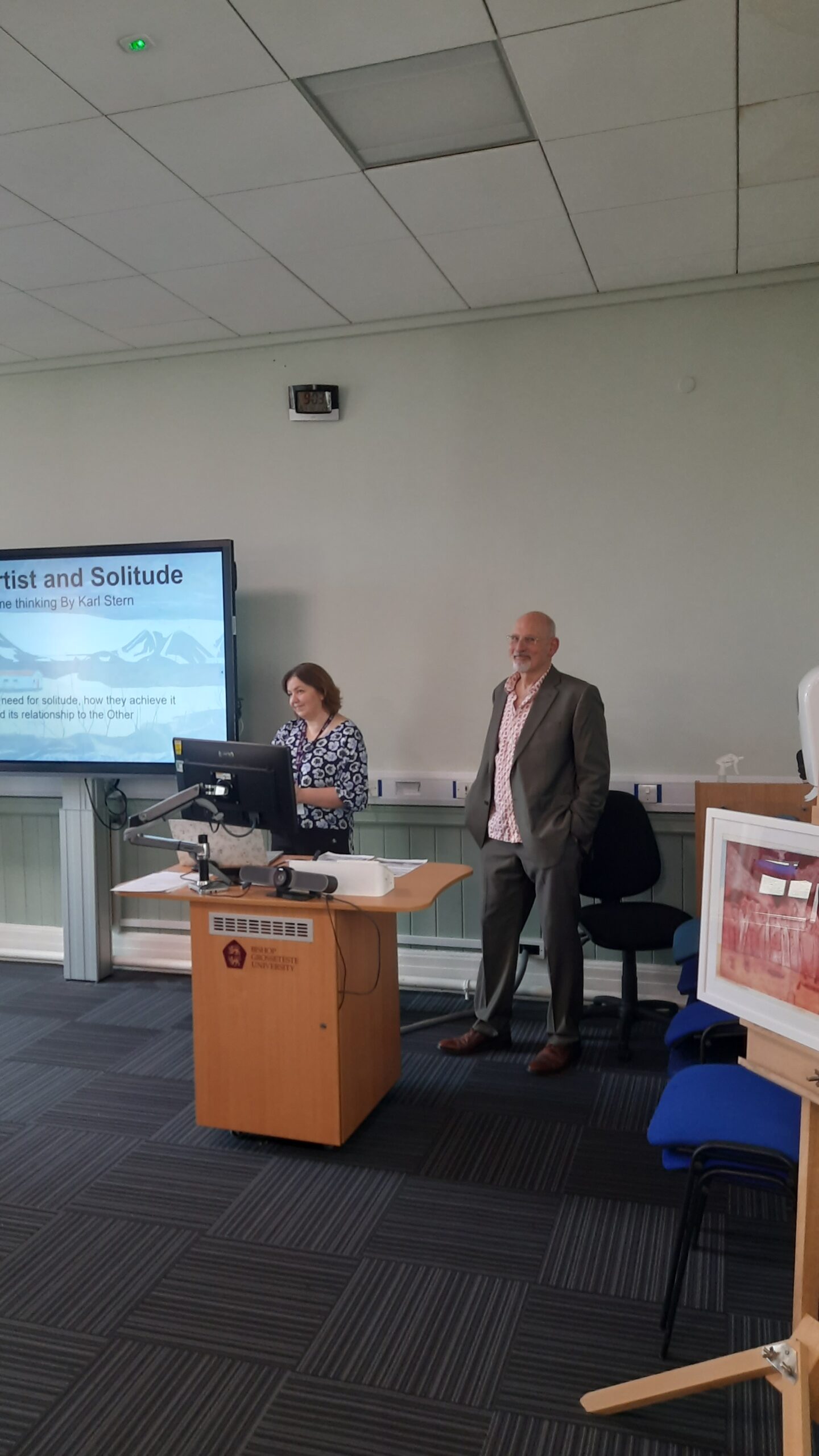
9.00 am Karl Stern The Artist and Solitude (and introduction to the exhibition) Chair: Małgorzata Wałejko (Room 13)
9.30 am Panel session: Mapping the Field: Challenges and Futures, with attendance of distinguished experts: Sandra Leanne Bosacki (Brock University, Canada), Eva Alerby (Luleå University of Technology, Sweden) Piotr Domeracki (Nicolaus Copernicus University, Poland) Chair Dat Bao (Monash University, Australia) (including general discussion) (Room 13)
10.45 am Coffee break (Room 13)
11.00 am Parallel session 1: Understanding Solitude
Each paper 20 minutes plus ten minutes discussion
Moderator: Julian Stern (Room 13)
- Piotr Domeracki, Nicolaus Copernicus University, Poland: Pejorativisation of Solitude. A Narratological Deception?
- Leslie J. Francis, Bishop Grosseteste University, UK: Alone but not Lonely: Conceptualising, Measuring, and Valuing Introversion within Empirical Theology
- Piotr Błaszczyk, SWPS University, Poland; Marta Roczniewska, SWPS University, Poland; Ewelina Purc, The John Paul II Catholic University of Lublin, Poland: (Un)shared Reality: How Does a Lack of Common Perspectives in the Nation Affect an Individual
Moderator: Aleksander Cywiński (John Tomlinson Room)
- Marcin Muszyński, University of Łódź, Poland: The Spectrum of Being Alone
- Randolph J.K. Ellis, Bishop Grossteste University, UK: At the volcano’s lip. A dynamic dimension of solitude
- Elżbieta Dubas, University of Łódź, Poland: Aloneness as a Difficult Situation – the Burden of Loneliness and the Experience of Positive Solitude
12.30 pm Lunch (Refectory)
1.30 pm Parallel session 2: Solitude at the Edge: Understanding Loneliness
Each paper 20 minutes plus ten minutes discussion
Moderator: Małgorzata Wałejko (Room 13)
- Małgorzata Wałejko, University of Szczecin, Poland: Abandoned by Myself. Forms of Self-Rejection
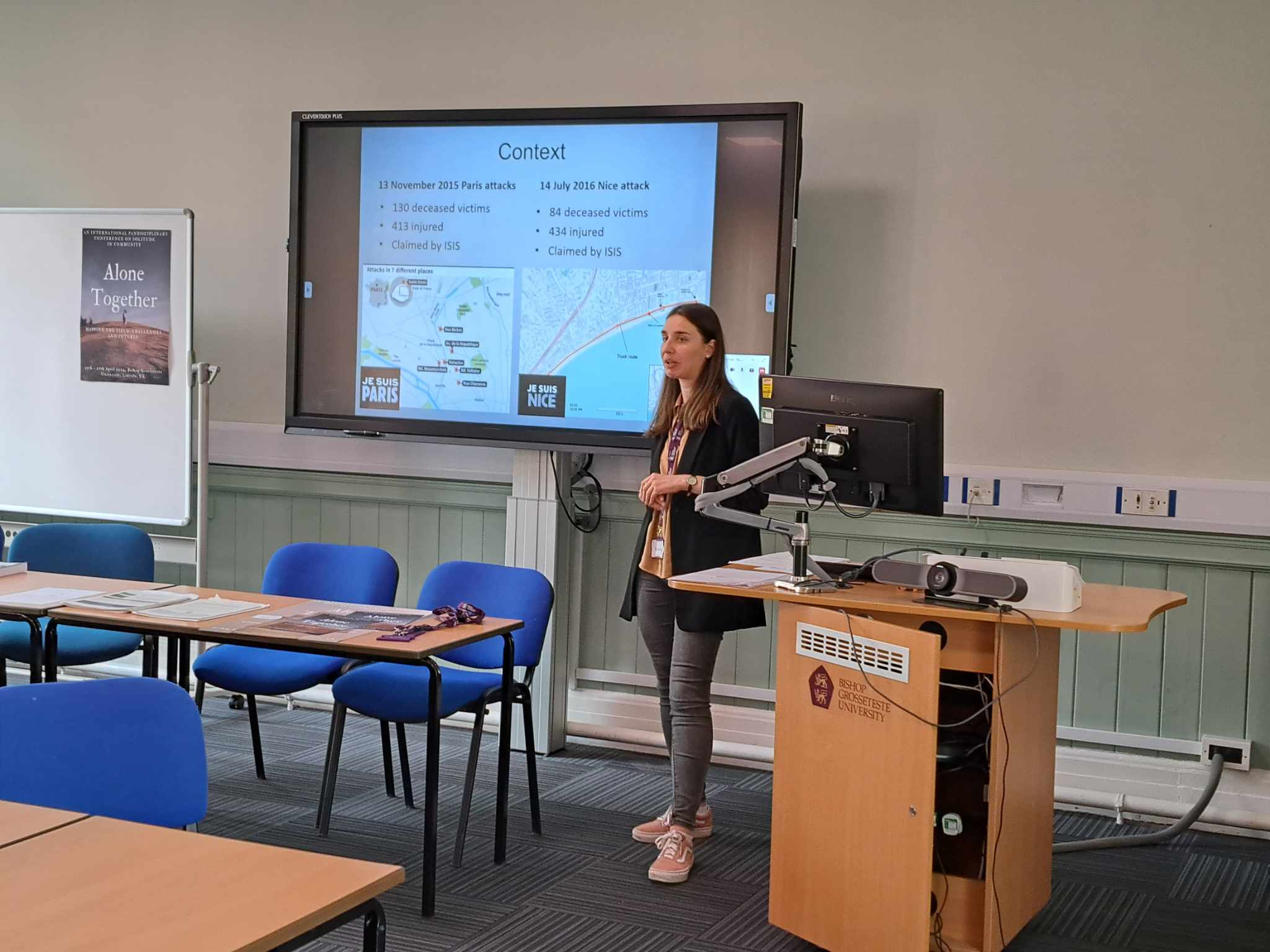
- Yordanka Dimcheva, University of Birmingham, UK: Feeling ‘Cut-Off’ from the World: Phenomenological Experiences of Lonely Grieving and Counteractive Commemorative Commitments of Bereaved Parents in the Aftermath of Terrorism Violence in France (2015-16)
- Amelia Reszka, Julia Jordan, Schoolgirls from 14 High School, Szczecin, Poland: Less than 86 Percent. High School Students in the Fight Against Youth Loneliness
Moderator: Richard Cleveland (John Tomlinson Room)
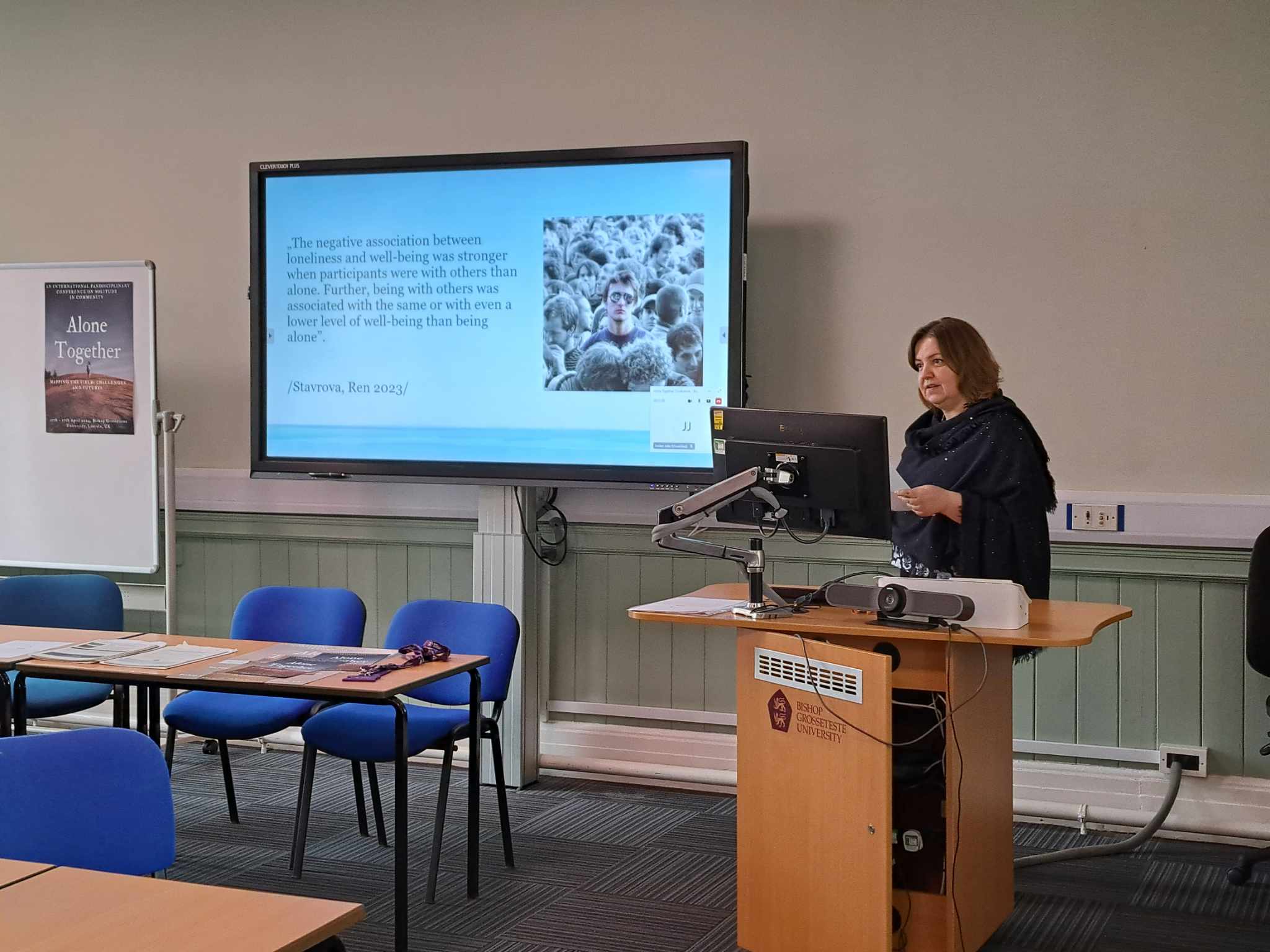
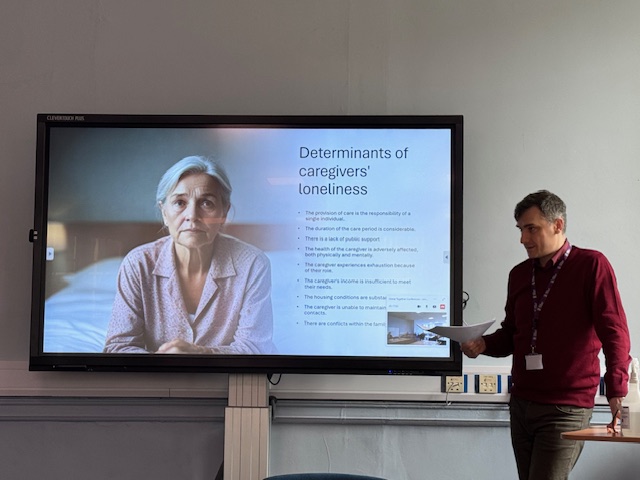
- Rafał Iwański, Edyta Sielicka, University of Szczecin, Poland: Loneliness after Loss. Bereaved Carers
- Lorena Hall, Bishop Grosseteste University, UK: Loneliness and Epistemic Injustice in Constant Loss for People with Learning Disabilities
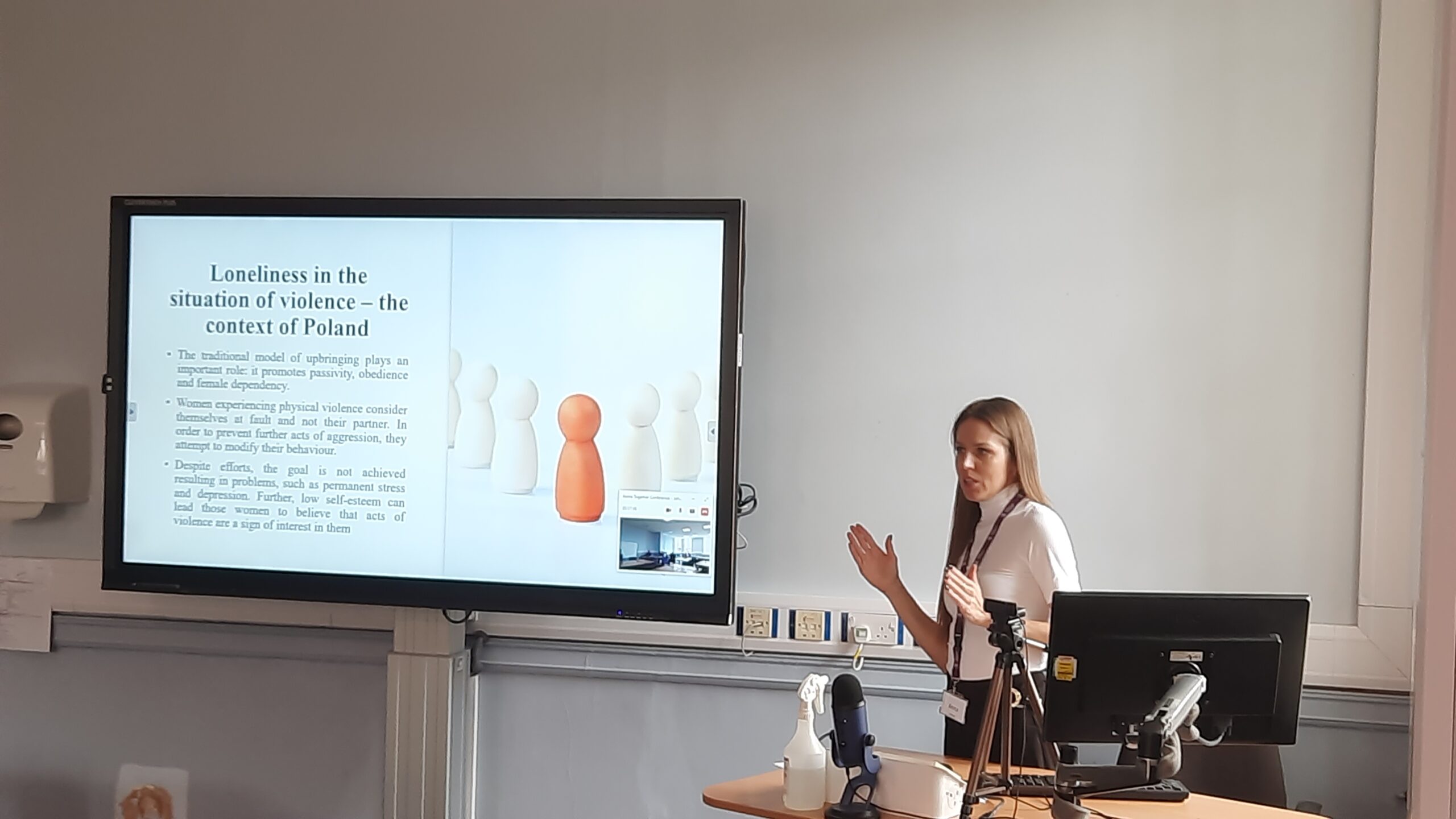
- Anna Szafranek, University of Białystok, Poland: Loneliness in the Situation of Violence Experienced by Elderly People
3.30 pm Coffee Break (Room 13)
3.45 pm Parallel session 3: Case Studies
Each paper 20 minutes plus ten minutes discussion
Moderator: Francis Davis (Room 13)
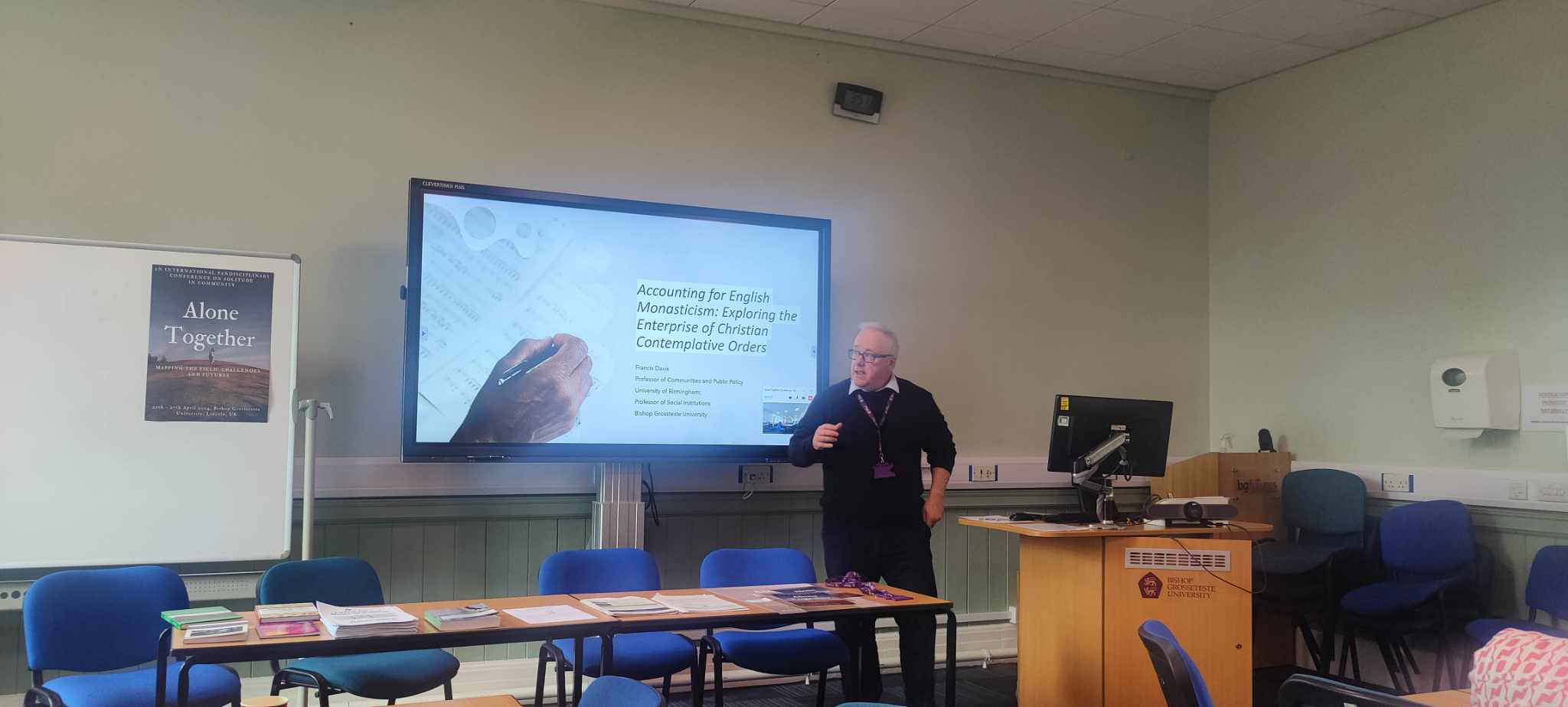
- Francis Davis, Bishop Grosseteste University and Birmingham University, UK: Accounting for English Monasticism: Exploring the Enterprise of Christian Contemplative Orders
- Marta Ciechowicz, University of Wroclaw, PL: The Historian’s Solitude: Examining the Life and Work of Joachim Lelewel (1786-1861)
- Kalina Kukiełko, Aleksander Cywiński, University of Szczecin, Poland: Loneliness of the Artist: Daphne Oram and Her World of Electronic Music
Moderator: Barbara Żakowska (John Tomlinson Room)
- Barbara Żakowska, University of Szczecin, Poland: Solitude at the Border. A Story of a Borderlander
- Mauro Fornasiero, independent researcher, UK: Exploring Silence as a Spiritual Practice amongst Retiring Ministers in the Church of England
- Richard Cleveland, Georgia Southern University, US: Standing Alone or Alone Standing: Law Enforcement Officers Experiencing Solitude
6.00 pm Dinner (Refectory)
Saturday 27th April 2024
9.30 am Keynote session by Julian Stern, Professor of Education and Religion at BGU and the President of the ISRS, on The Art, Literature and Music of Solitude. This will be accompanied by a book launch of his book of the same title. Chair: Rafał Iwański
10.30 am Coffee break
10.45 am Parallel session 4: Contexts of Solitude
Each paper 20 minutes plus ten minutes discussion
Moderator: Gillian Simpson (Room 13)
- Gillian Simpson, Bishop Grosseteste University, UK: Re-imagining Community: an Autoethnographic Exploration of a Christening as a Movement from Alienation to Belonging
- Seiko Harumi, University of London, UK: Nexus of L2 Classroom Interaction and Language Socialisation: Loneliness to Togetherness
- Claudia Capancioni, Bishop Grosseteste University, UK: On the Value of the Solitary State in Nineteenth-Century Literature
Moderator: Kalina Kukiełko (John Tomlinson Room)
- Sunny Dhillon, Bishop Grosseteste University, UK: A Gentle Dissolve: Knowledge, Wisdom and Letting Go
- Joanna Nowicka, The Angelus Silesius University of Applied Sciences in Wałbrzych, Poland: Loneliness and Silence in the Context of Business
- David Weir, York St John University, UK: Solitude in Work, Play and Leisure in Nineteenth Century England
12.00 Plenary session and summary of the conference: Julian Stern, Małgorzata Wałejko, Rafał Iwański (Board of the ISRS) (Room 13)
Lunch available for those staying on (Refectory)
Journal of Silence Studies in Education: Call for Papers: Silence and Solitude in Poetry and the Arts
The Journal of Silence Studies in Education(JSSE) is pleased to announce a call for papers for a special issue dedicated to exploring the theme of Silence and Solitude in Poetry and the Arts (music, theatre, dance, painting, cinema and more). We invite scholars, educators, and artists to submit papers that examine the quiet spaces of art and literature and their educational implications.
Submissions may range up to 7000 words and should possess a robust research foundation, drawing from methodologies such as self-study, vignette study, autoethnography, phenomenology, experimental research, reflective teaching, empirical studies, conceptual analysis, or philosophical inquiry. Contributions should strive to connect theory with practice, offering insights that can inform and inspire educational settings.
Topics may include, but are not limited to:
● The portrayal and use of silence, loneliness and solitude in poetry, visual arts, performing arts (dance, drama, cinema), music, and literary works (short stories, novels, memoirs, novel excerpts).
● Pedagogical approaches within the arts that harness silence as a tool for learning, contemplation, and creative expression.
● Integration of silence-based practices such as meditation, Buddhist techniques, and focused activities into the arts education curriculum.
We welcome papers that investigate the interplay between silence, solitude, and the creative process, as well as those that consider how these themes foster deep learning and personal growth.
Guest editorial team
- Dr Edwin Creely edwin.creely@monash.edu
- Dr Peter Waterhouse peter.waterhouse@monash.edu
Source and more information:
Loneliness, gratitude, and entitlement among Israeli and Polish college students: A serial mediation model
We recommend that you read an article by ISRS members Roni Laslo-Roth, Sivan George-Levi, Rafał Iwański, Małgorzata Wałejko and Malka Margalit “Loneliness, gratitude, and entitlement among Israeli and Polish college students: A serial mediation model” published in Psychology in the Schools.
Highlights
The loneliness of college students reflects their cultural and environmental differences, during their college years.
Entitlement complexity: Active entitlement (a general and proactive belief in one’s rights) predicts gratefulness and reduced loneliness, whereas academic entitlement (the belief in one’s right for academic support) predicts lower levels of gratitude and higher levels of loneliness.
Israeli students reported higher levels of active entitlement and gratitude and lower levels of loneliness and academic entitlement, in comparison to Polish students.
Source: https://onlinelibrary.wiley.com/doi/10.1002/pits.23188
I recommend Julian Stern’s latest book “The Art, Literature and Music of Solitude”.
This book presents a thematic analysis of various aspects of solitude, silence and loneliness, from the ancient world to the present day, explored thematically with consideration to the links between aloneness to other social and political issues. The themes include exile (expulsion from a community), ecstasy (getting ‘out of oneself’) and enstasy (being comfortable within oneself), to the Romantic idea of the artist as solitary. There is work on aloneness in and through nature, especially the importance of natural settings for positive experiences of solitude. A central theme is alienation and its emotions, with the idea of loneliness and the rejected self being a more modern experience. The book explores modernism and postmodernism as presenting new forms of solitude in the twentieth century, and how, more recently, there have been attempts to ‘recover’ the self, through therapeutic uses of the arts. All of these types and experiences of aloneness are described through the lenses of artistic, literary and musical forms of expression, as aloneness is not only explored and articulated through these art forms, but is in many ways created through these art forms.
Link to the publisher’s website.
Source: https://www.bloomsbury.com/uk/art-literature-and-music-of-solitude-9781350348028/
Perspectives on the Values of Silence and Solitude in Foreign Language Education
Invitation Letter
Perspectives on the Values of Silence and Solitude in Foreign Language Education
Neofilolog Journal
(Scopus Q1 Language and Linguistics)
Guest Editors
Agnieszka Kałdonek-Crnjaković
University of Warsaw, Poland
Anna Jaroszewska
University of Warsaw, Poland
Dat Bao
Monash University, Australia
This is an invitation to contribute to the Neofilolog journal. The website of the journal is https://pressto.amu.edu.pl/index.php/n
The call will be open to the public and available on the journal website.
The issue covers the following, but not limited to, subthemes/topics:
The value and meaning of silence within Foreign Language Education. This might include, for example, communication, learning space, inner voice, mental processing, religious silence, the learning space, silence in and outside of education, political silence, peace versus fear, empowerment of the loss of it, productive stillness, silence in ancient culture versus modern-day silence, freedom, agency, wellbeing, autonomy, resistance, self-control, self-protection, voice giving, silence in art, music, and literature, to name a few.
The value and meaning of solitude within Foreign Language Education. Some examples are the good space of being alone, joy, freedom, glory, suffering, tension, social isolation, personal growth, subjective versus objective views on aloneness, bipolarity versus the complexity of solitude, diverse ways of being alone, relationship with nature and the self, a zone for strength development, political issues, solitude and creativity, solitude and/or loneliness in art, music and literature, elements of spirituality, to name a few.
The article can be empirical-based, auto/duo/trio-ethnographic, reflective, conceptual or philosophically interpretive. It can be a critical review nature that challenges or expands the status quo in the field.
Date of manuscript submission: 15 May 2024
Date of publication: 15 December 2024
Length of article: 6000 words
Author guidelines and submission: https://pressto.amu.edu.pl/index.php/n/about/submissions
We hope you will be able to accept our invitation.
We look forward to hearing from you.
On behalf of the Guest Editors,
Agnieszka Kałdonek-Crnjaković
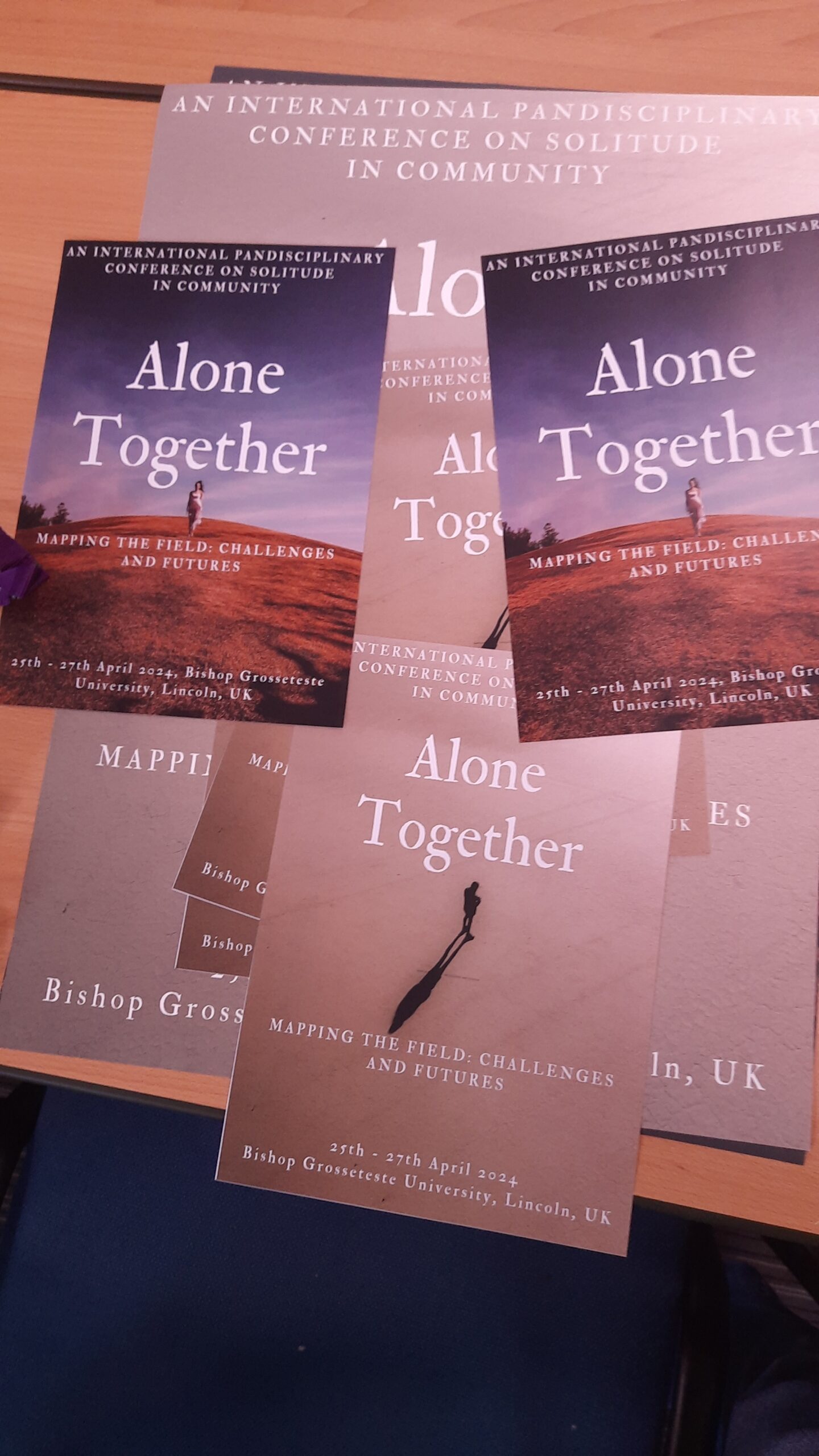
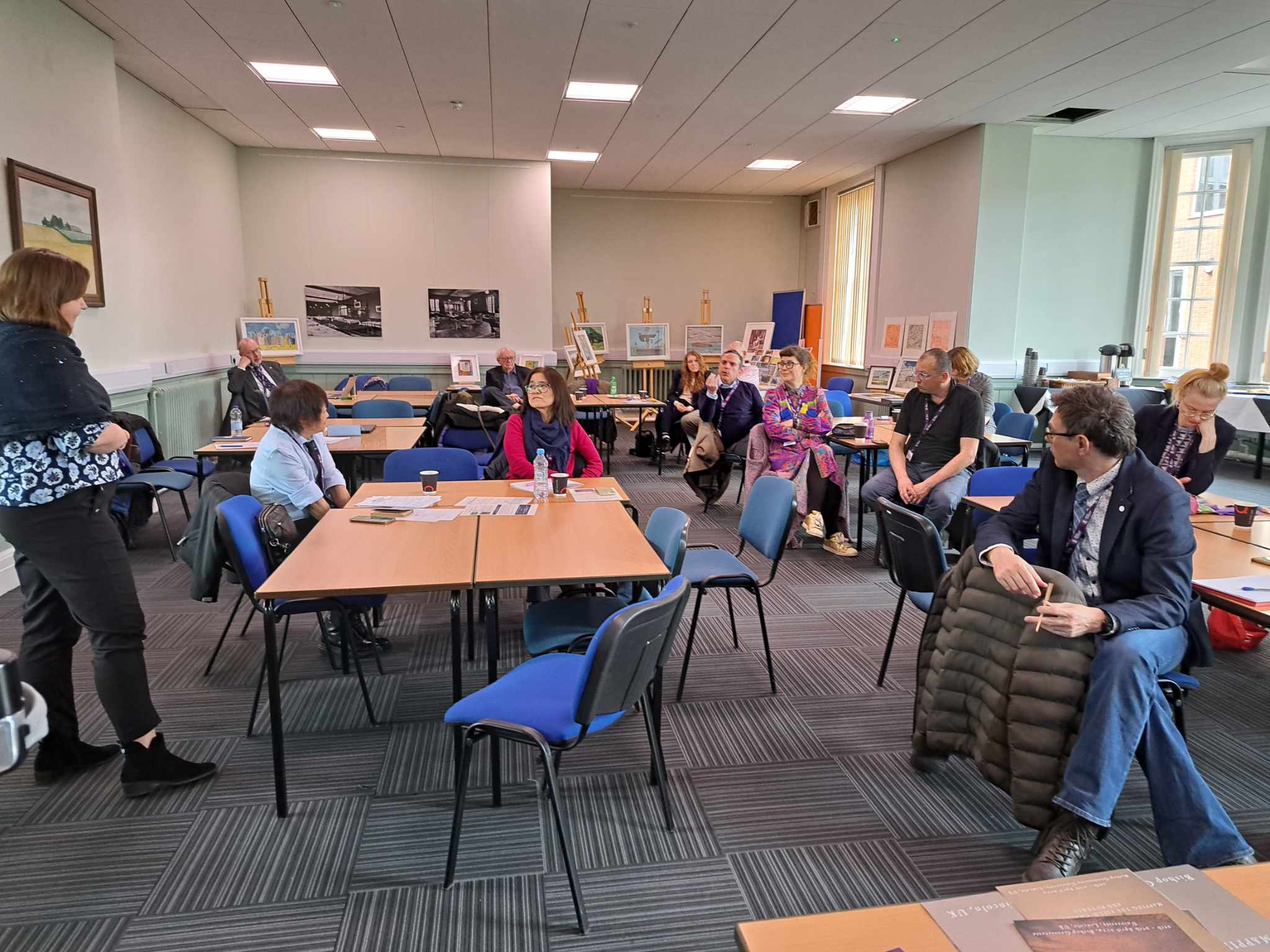
Alone Together. Mapping the Field: Challenges and Futures. An International Pandisciplinary Conference on Solitude in Community 25th – 27th April 2024
'Alone Together' conference: Invitation
Dear Friends and Colleagues
We hope you are well and thriving. This is the first big mailing about the next conference in the Alone Together series of events. As before, it is a pandisciplinary conference of those researching any elements of solitude, silence and loneliness at any lifestage and in any professional or other context, organised by the ISRS: the International Society for Research on Solitude.
The next conference will be held in Bishop Grosseteste University (BGU) in Lincoln, UK, from Thursday 25th to Saturday 27 April 2024. It is being organised jointly by BGU and by the University of Szczecin, Poland.
The theme of this conference is Mapping the Field: Challenges and Futures. This is part of an attempt to map the field, as the field of solitude studies crosses conventional disciplinary, professional and contextual boundaries, making it all too often a ‘hidden gem’ within other disciplines and fields. We would like it to be just a ‘gem’, and no longer ‘hidden’!
We are delighted to announce already the three keynote/plenary sessions.
- The opening session is by Michael Cholbi, Professor and Personal Chair in Philosophy at the University of Edinburgh, Scotland. Michael’s keynote will be:Attention, Solitude, and the Social Dimensions of Grief.
- The second is a panel session on the theme of Mapping the Field: Challenges and Futures with distinguished worldwide experts, and the panel – from different disciplines – and everyone attending the conference will be able to contribute.
- The third is by Julian Stern, Professor of Education and Religion at BGU, who will be doing a keynote on The Art, Literature and Music of Solitude. This will be accompanied by a book launch of his book of the same title.
We would like to mention various publishing possibilities related to the conference.
- There are editors of several journals who would welcome submissions on solitude. The Journal of Silence Studies in Education, based in Australia, Paedagogia Christiana, based in Poland, and The British Journal of Religious Education, based in the UK, would all welcome such submissions.
- The ISRS has a monograph series with Bloomsbury, on Solitude Studies. Editors of that series will be at this conference, and will be inviting and/or commissioning contributions to the series. Each volume in the series can be a conventional single-author monograph, or can be an edited collection.
- Directly related to this conference, we will be inviting and/or commissioning chapter authors for an edited contribution to the ISRS Solitude Studiesseries with Bloomsbury. This has the provisional title of Solitude at the Edge: Liminal Loneliness, and it is to be edited by Richard Cleveland of Georgia Southern University, USA, and Rafał Iwański of the University of Szczecin, Poland.
Welcome to the conference website
The details regarding price and booking will be sent in a few days.
It would be great to see you in Lincoln in April.
Yours sincerely,
Rafał Iwański, Małgorzata Wałejko and Julian Stern, of the ISRS
ISRS Seminar: Aleksandar Dimitrijevic – Attachment theory as a psychological approach to the evolutionary significance of loneliness
The seminar will take place on Friday 3rd November 2023, at 15.00 UK time /10.00 US EST time /4pm Polish time / 4pm Malta /5pm Israeli time / 5pm Turkish time / 10pm Hong Kong / 12pm Melbourne. It will be held in MS Teams application. If you want to join, click here.
In our evolutionary past, attachment was a necessary primary source of motivation because helpless human youngsters were not able to survive the danger of aloneness. We evolved as a species that thrives only in collaboration and our inborn mechanisms make loneliness a painful experience.
I will use current developmental and neuroscientific research to show that the insecure forms of attachment are, in fact, reactions to being left alone for too long and/or often too early, while disorganized attachment is a reaction to the complete lack of predictability in the together-alone dynamic. Clinical work and research will be summarised to point out that the other significant concepts in the domain of early attachment are also possible to define through loneliness: trauma is an overwhelming togetherness; neglect is an overwhelming aloneness; implicit relational knowing is the most important asset one can take from the earliest childhood.
Finally, I will review data indicating that both attachment and parenthood are curiously similar to addictions, which, once again, shows that most dangerous enemy was not cold, hunger or even predators, but being exposed to these perils when alone.
Aleksandar Dimitrijević, PhD, is a clinical psychologist and psychoanalyst in private practice in Berlin. He worked as a university lecturer for more than twenty years. He has given lectures, seminars, university courses, and conference presentations throughout Europe and in the US. He is the author of many conceptual and empirical papers about attachment theory and research, psychoanalytic education, and psychoanalysis and the arts, some of which have been translated into German, Hungarian, Italian, Slovenian, Spanish, and Turkish. He has also edited or co-edited twelve books or special journal issues, the most recent of which are Silence and Silencing in Psychoanalysis and From the Abyss of Loneliness to the Bliss of Solitude (both with Michael B. Buchholz).


“I don’t want to follow the pack”: Canadian adolescents’ lived experiences of silence and quietude among friends and family
“What are adolescents thinking and feeling during times of talking, listening, and being silent with their peers and family. Do their experiences differ according to context? How do such perceptions relate to one’s sense of identity and well-being over time?”
Sandra Bosacki and Victoria Talwar tried to answer these questions in an article entitled “I don’t want to follow the pack”: Canadian adolescents’ lived experiences of silence and quietude among friends and family.
We recommend reading the article. The file can be downloaded from the ISRS website or the journal website.
Ineffable education: new article by the ISRS members
We are happy to inform, that the President and Vice-President of ISRS – Julian Stern and Małgorzata Wałejko – co-published an article entitled Ineffable education, the uncommunicable and the uncommunicated in the British Journal of Religious Education.
This is a philosophical and theological exploration of the role of the ineffable as one of the central features that religion and religious traditions can bring to schooling. The ineffable is described as itself related to the uncommunicable and the uncommunicated – in all of life and specifically in schools. Drawing especially on Anglophone and Polish sources, the conclusion of the article draws on Moore’s earlier account of ineffability and mystery in schools, to make a case for this as one of the most significant of the ‘gifts’ that religious traditions may offer to schooling – including to secular schooling.
Ineffable education, the uncommunicable and the uncommunicated
Congratulations to the authors!